Overview
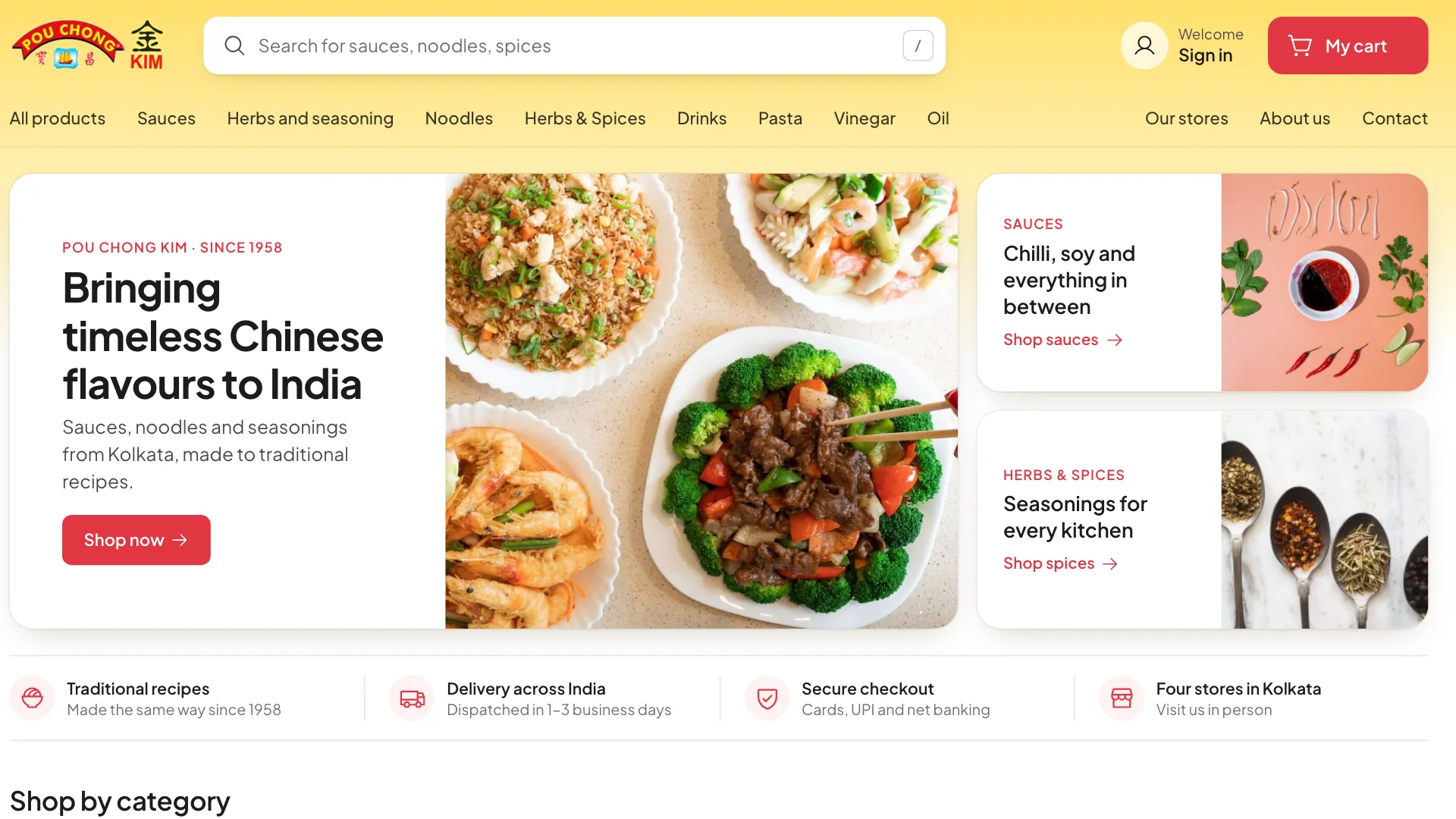
Pou Chong KIM makes Chinese sauces, noodles and seasonings to traditional recipes and has done so since 1958. The brand needed an online store that feels as quick and clear as a good shopping app, and a way for its own team to run orders and stock from a phone.
We designed and built the whole system: a custom WooCommerce theme, a companion plugin that holds the business logic, and two Flutter apps (one for customers, one for shop staff) that talk to the same WordPress site with no separate backend.
Tech stack
- Website. WordPress with WooCommerce, a custom theme (
pouchong) for presentation only, and Elementor widgets for editable page blocks. There is no theme build step. - Business logic. A companion plugin (
pouchong-core) split into modules that can each be switched off: catalogue presentation, wishlist, forms, SEO, stores, redirects, the app API and an optional Brevo mail transport. - Front-end behaviour. Catalogue screens read the WooCommerce Store API from plain JavaScript, so the shop feels like an app. WooCommerce’s own jQuery scripts load only on checkout, account and order-tracking pages.
- Apps. Two Flutter (Dart) apps for iOS and Android that share one package for the API client, sign-in session, colours, type and widgets. Release builds are signed Android APK and AAB files.
- Integrations. PayU for payment, Shiprocket for shipping and order webhooks, and Brevo for email through WP Mail SMTP.
A catalogue that presents itself
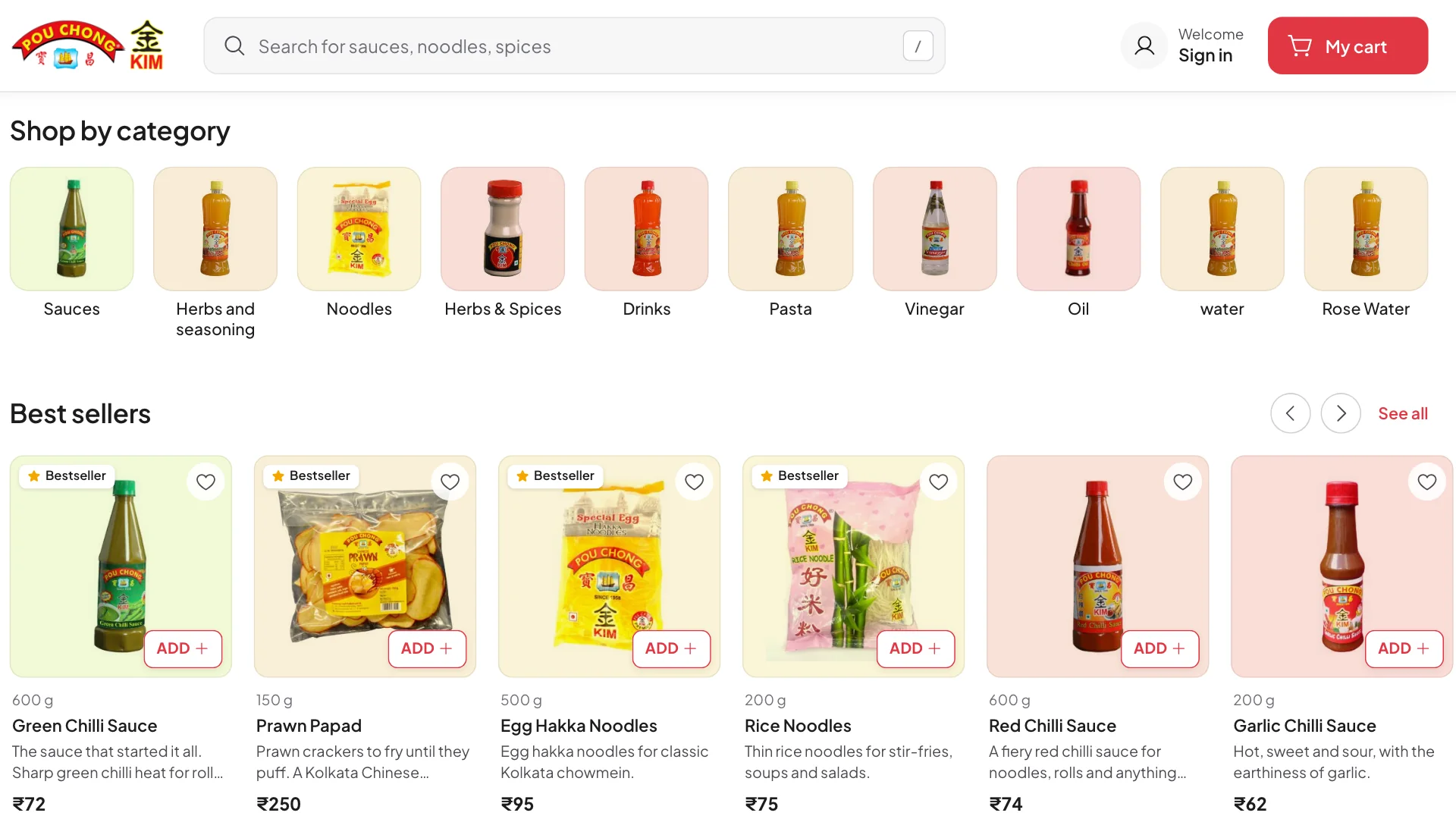
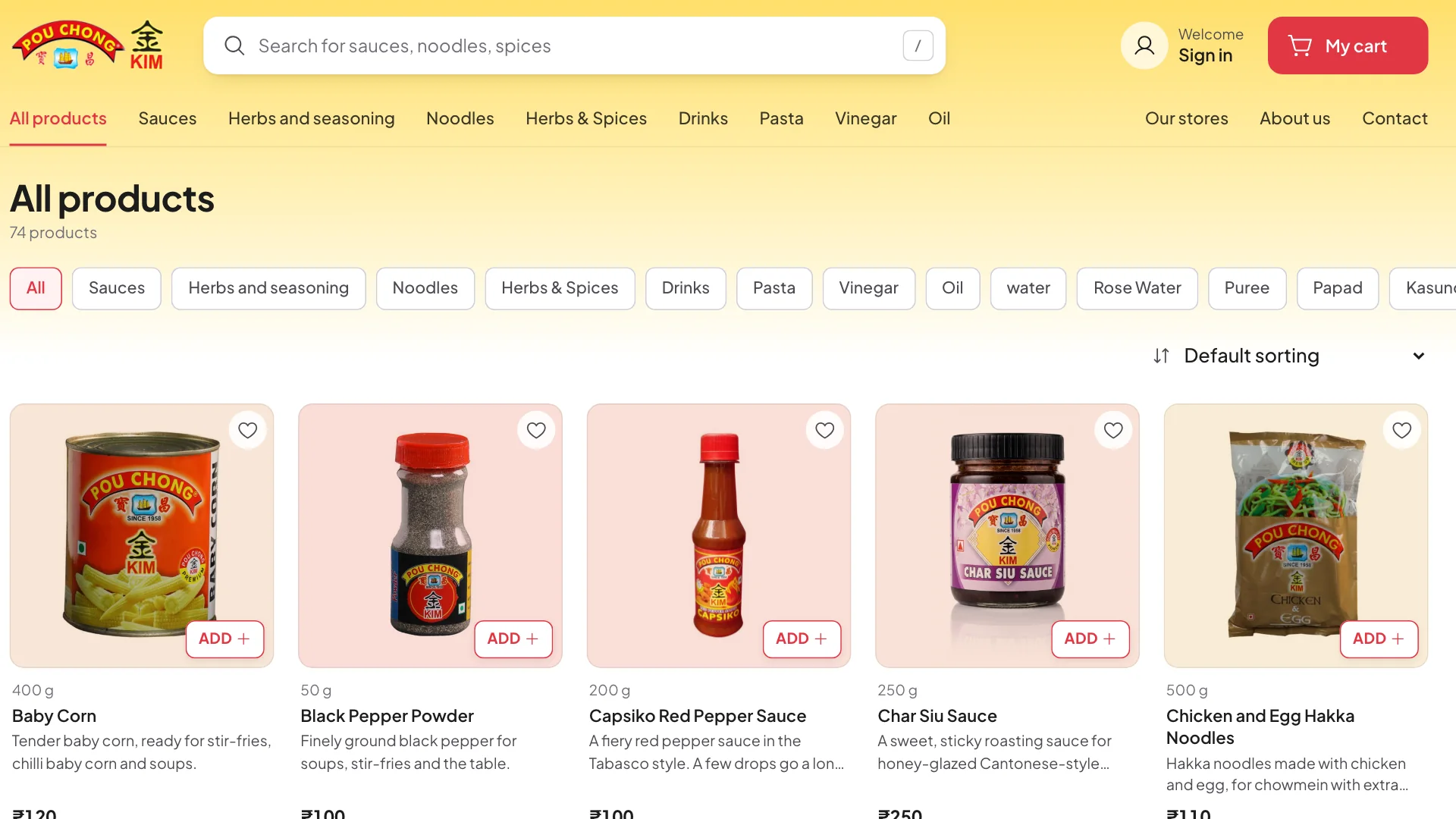
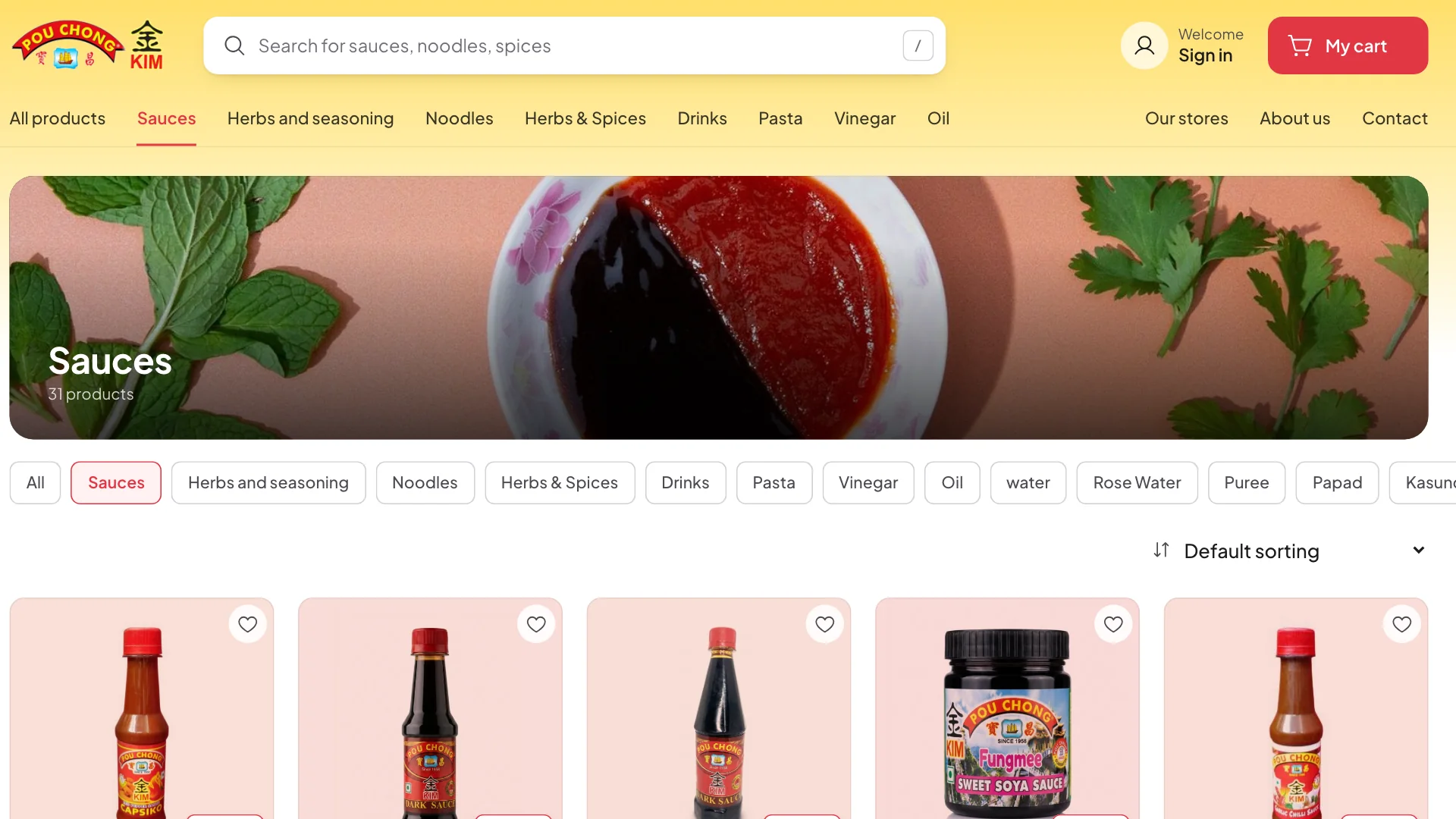
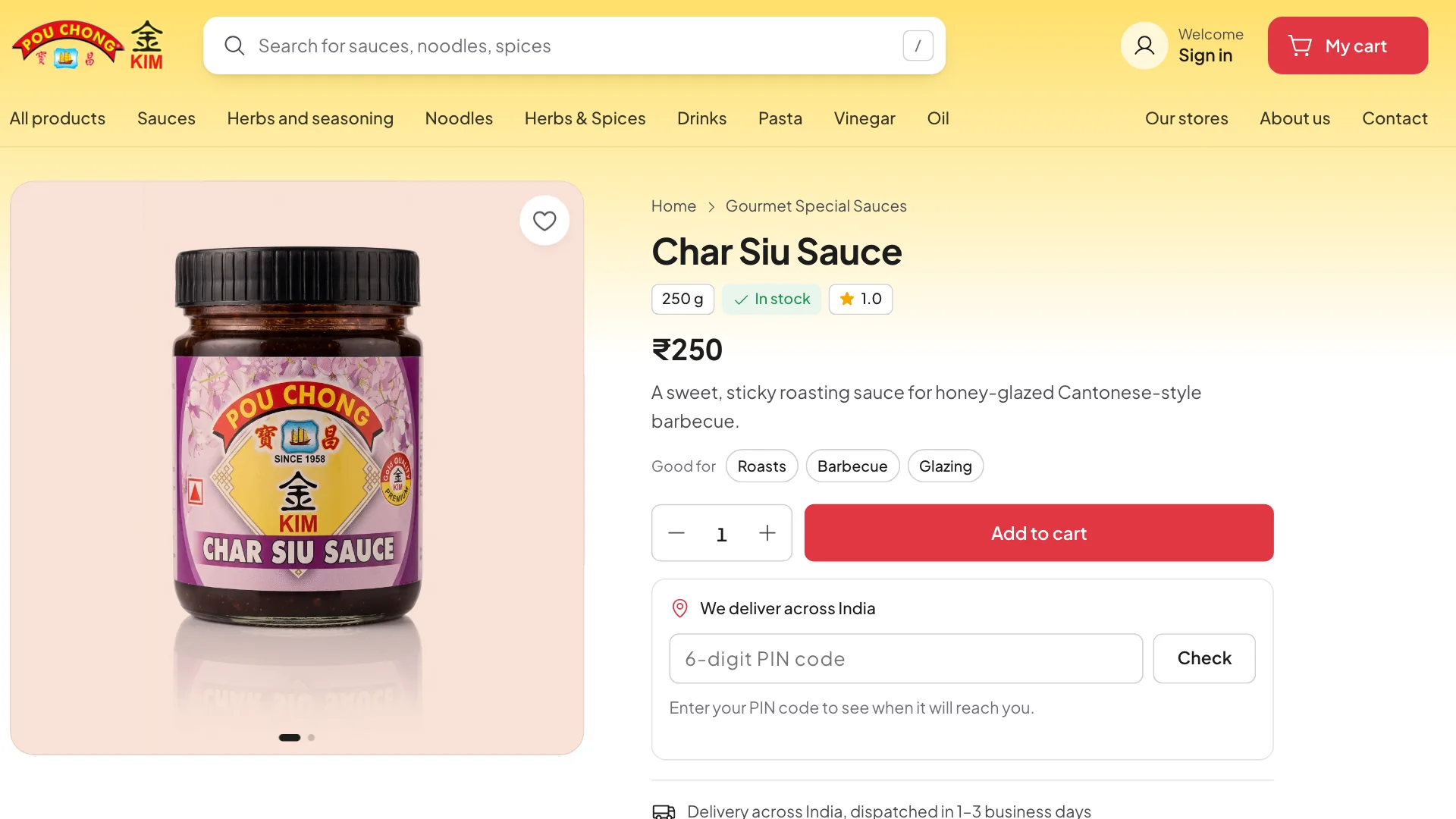
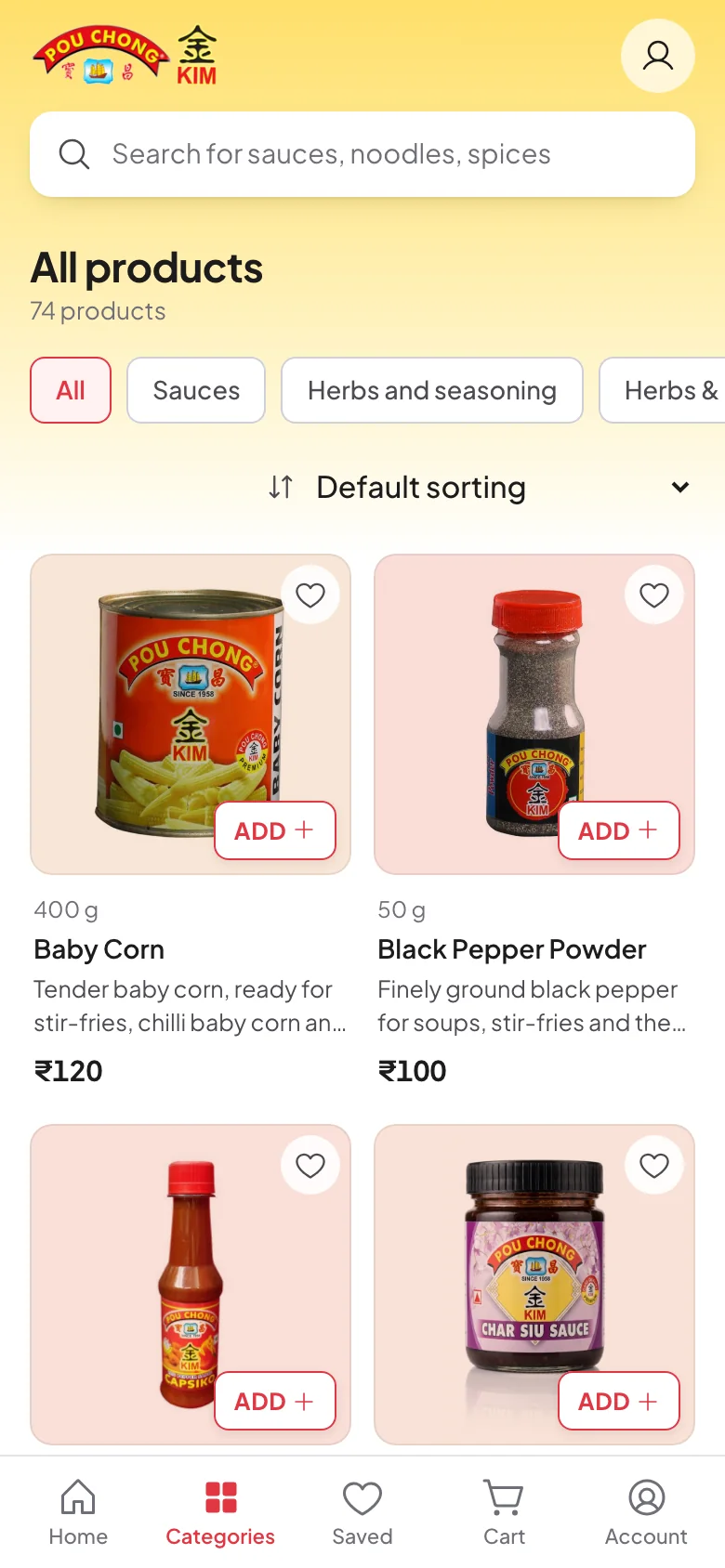
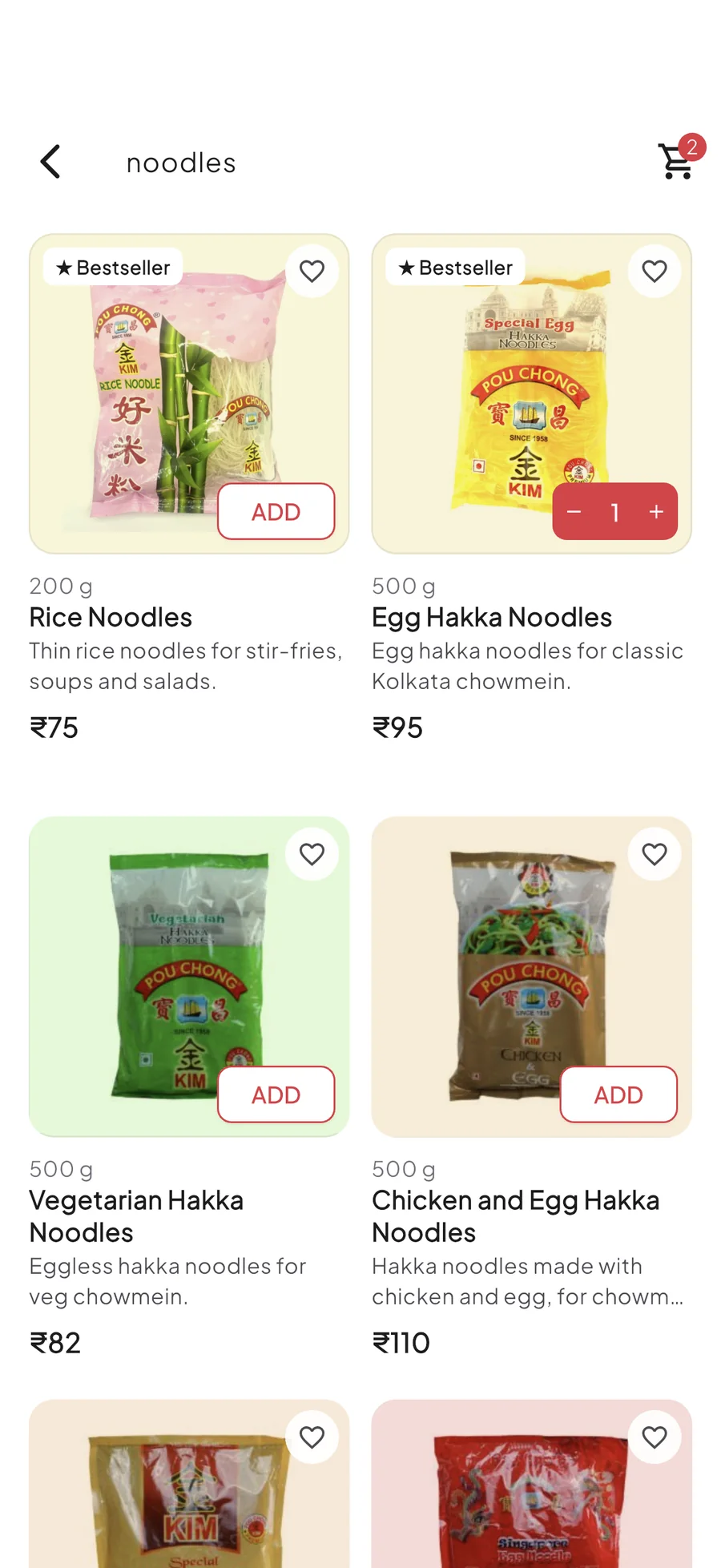
Every product photo is different, so the tile colour and the position of the pack are measured from the photo itself once, then cached in the attachment’s meta. Product cards get a tint that matches the pack, without anyone choosing colours by hand. The same card markup exists in PHP for the server and in JavaScript for the live grids, and the two are kept in step.
- Structured product facts. Pack size, nutrition per 100 g, ingredients, storage and “good for” suggestions are fields in a Product facts box, not free text. A nutrition row that is over 100% is hidden by the theme rather than shown wrong.
- Delivery check. A PIN code check calls the shipping service straight from the browser so a shopper knows before they buy.
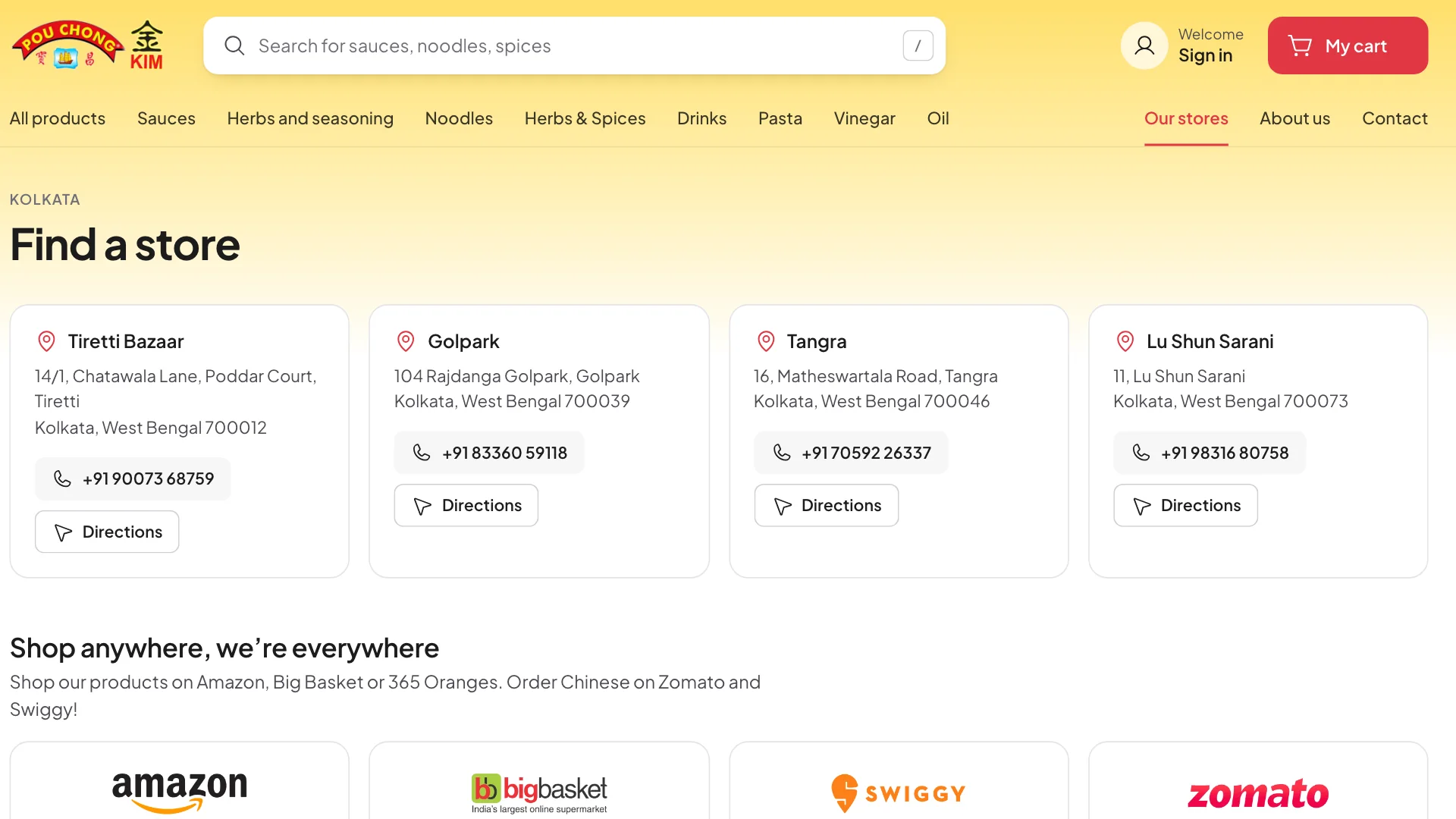
- Stores and marketplaces. A store locator for the brand’s own shops, with directions and phone numbers, and links to the marketplaces it sells through.
- Safe to change. Categories and moved products keep redirects, and a rollback command restores the previous front page, kit and page statuses.
On the phone
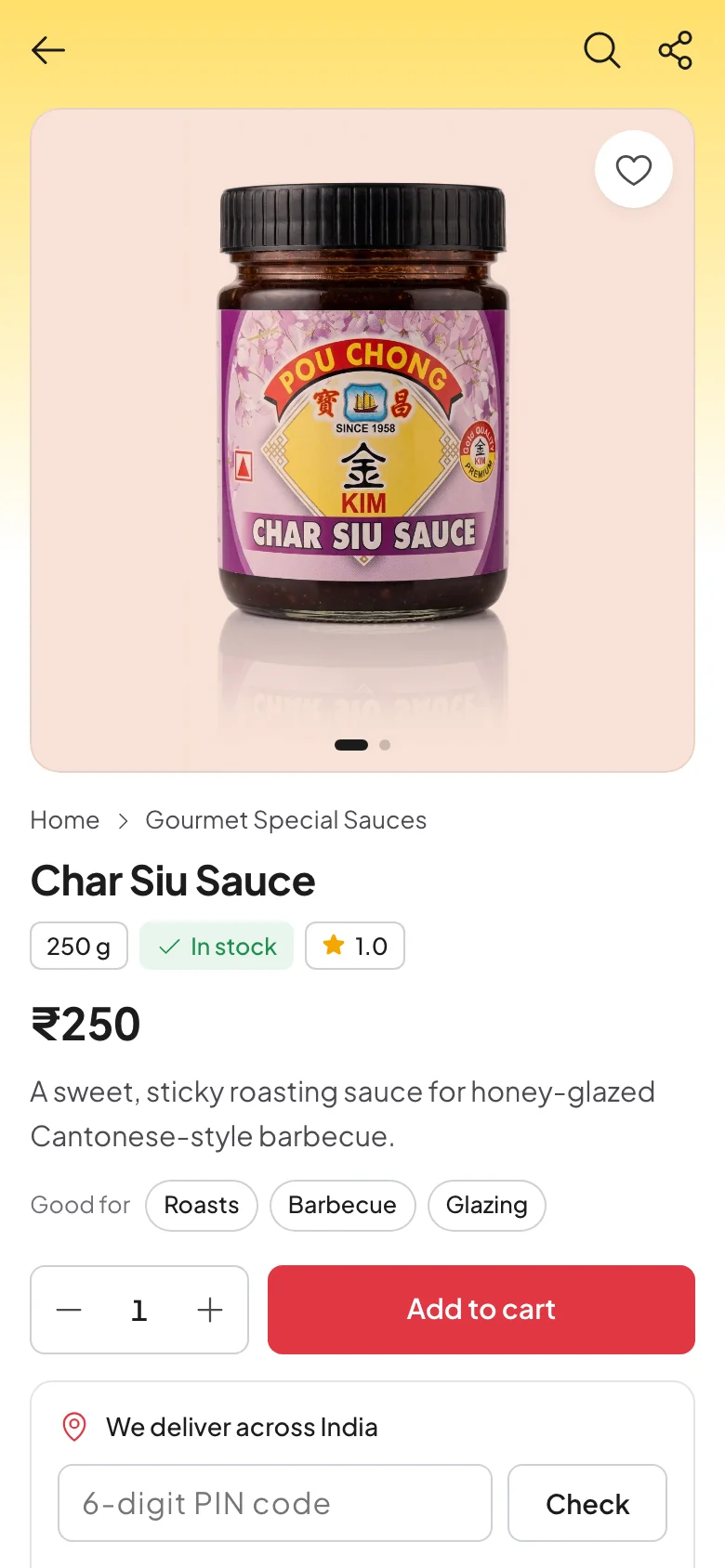
The shop app
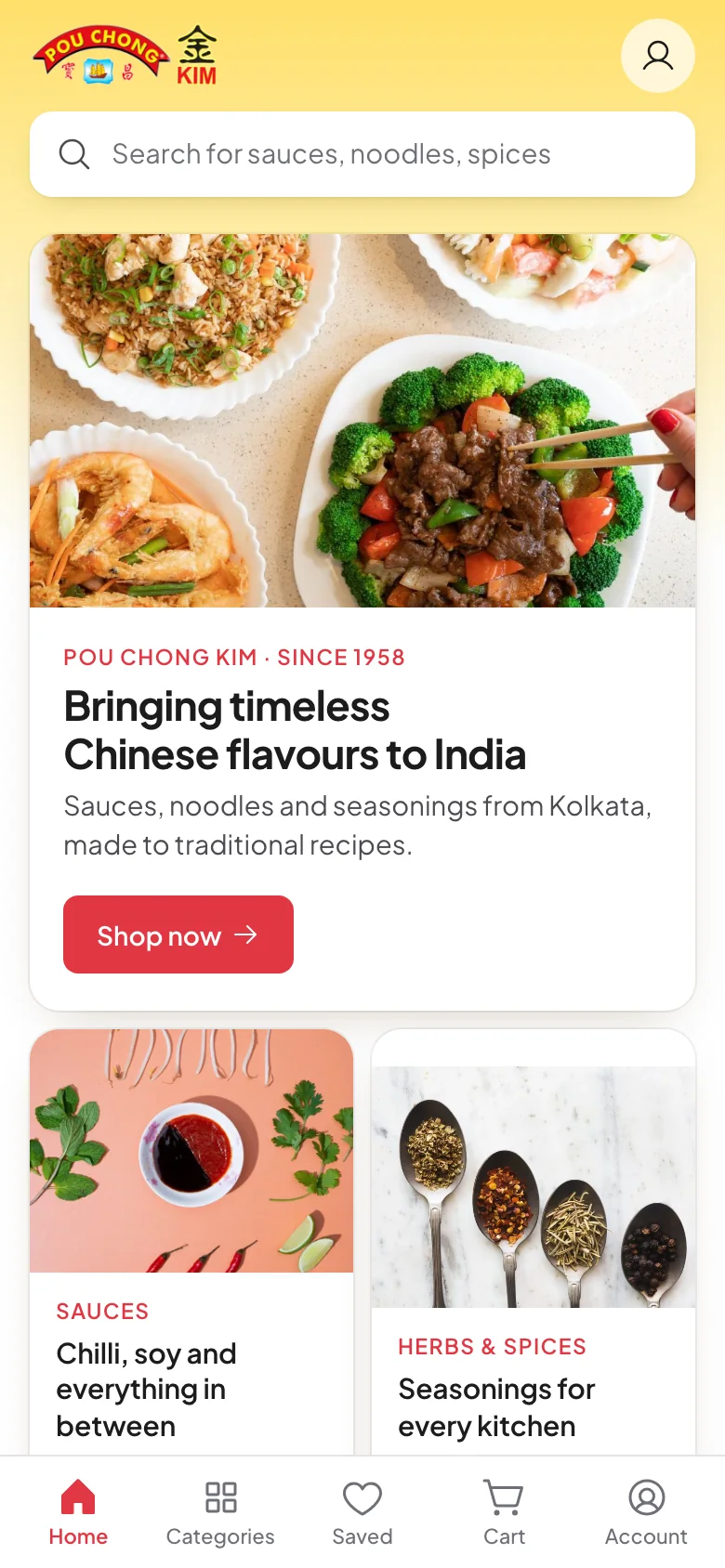
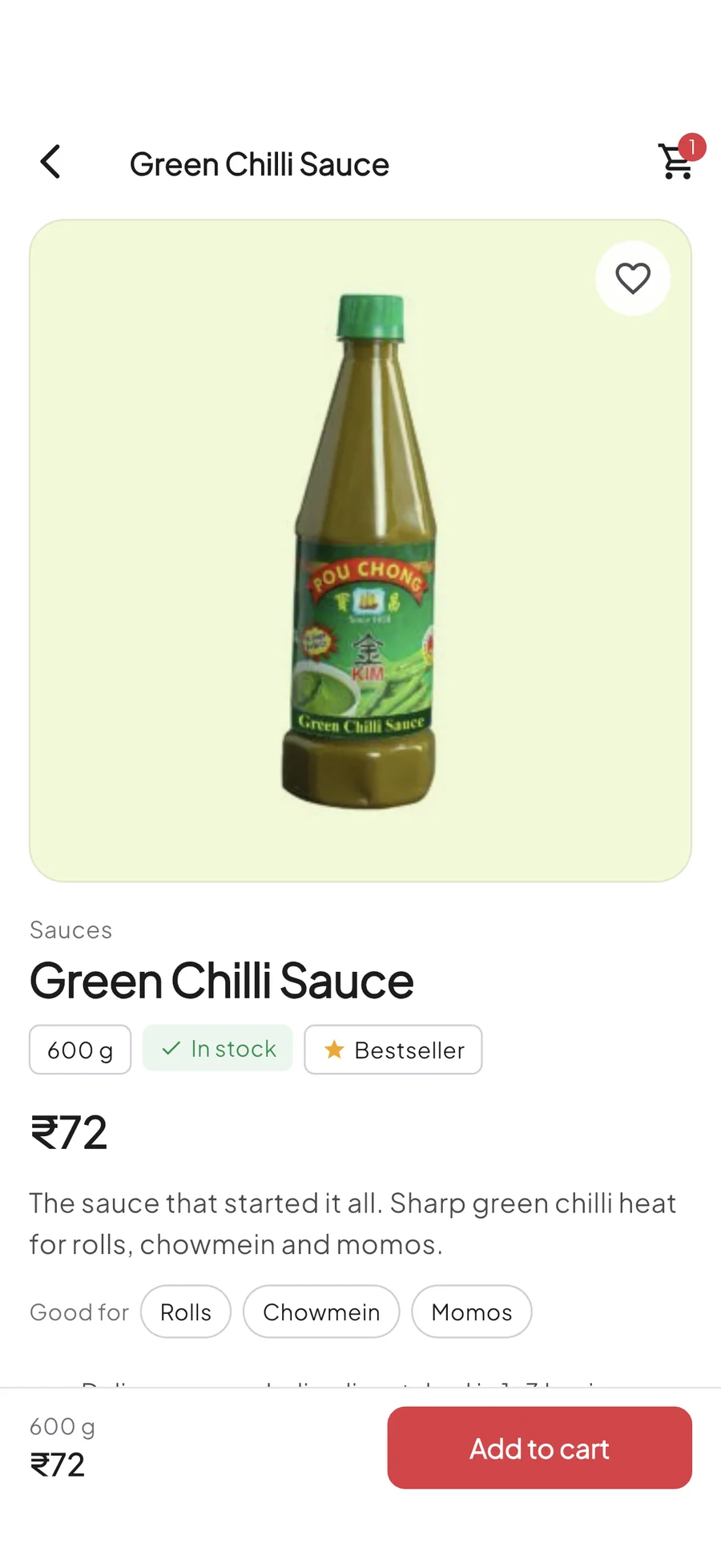
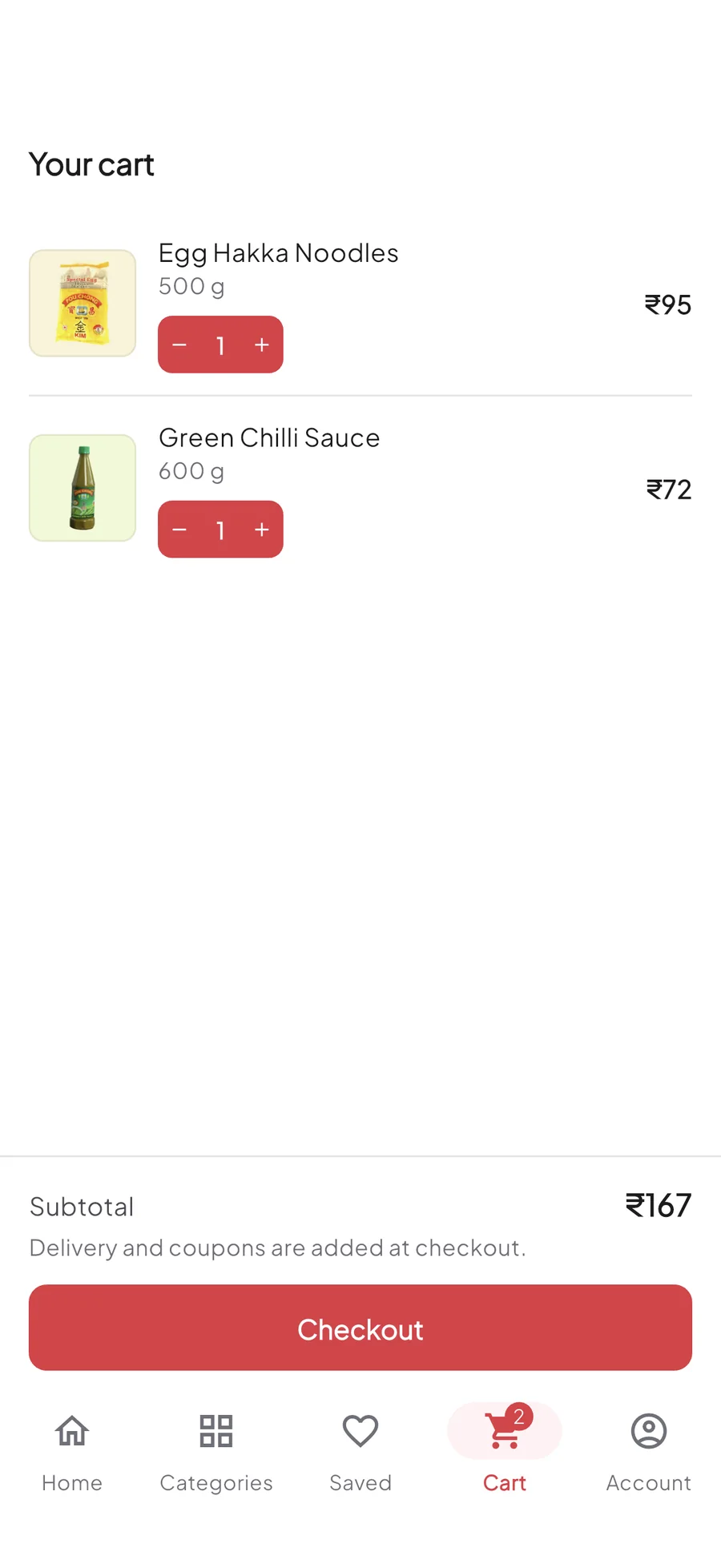
The customer app keeps the basket on the device and reads the live catalogue through the WooCommerce Store API. Checkout does not rebuild payment screens: the app asks the site for a one-time link and opens the website’s own checkout in a web view with the basket loaded and the customer signed in. Every payment method on the site therefore works in the app and no card details ever pass through it.
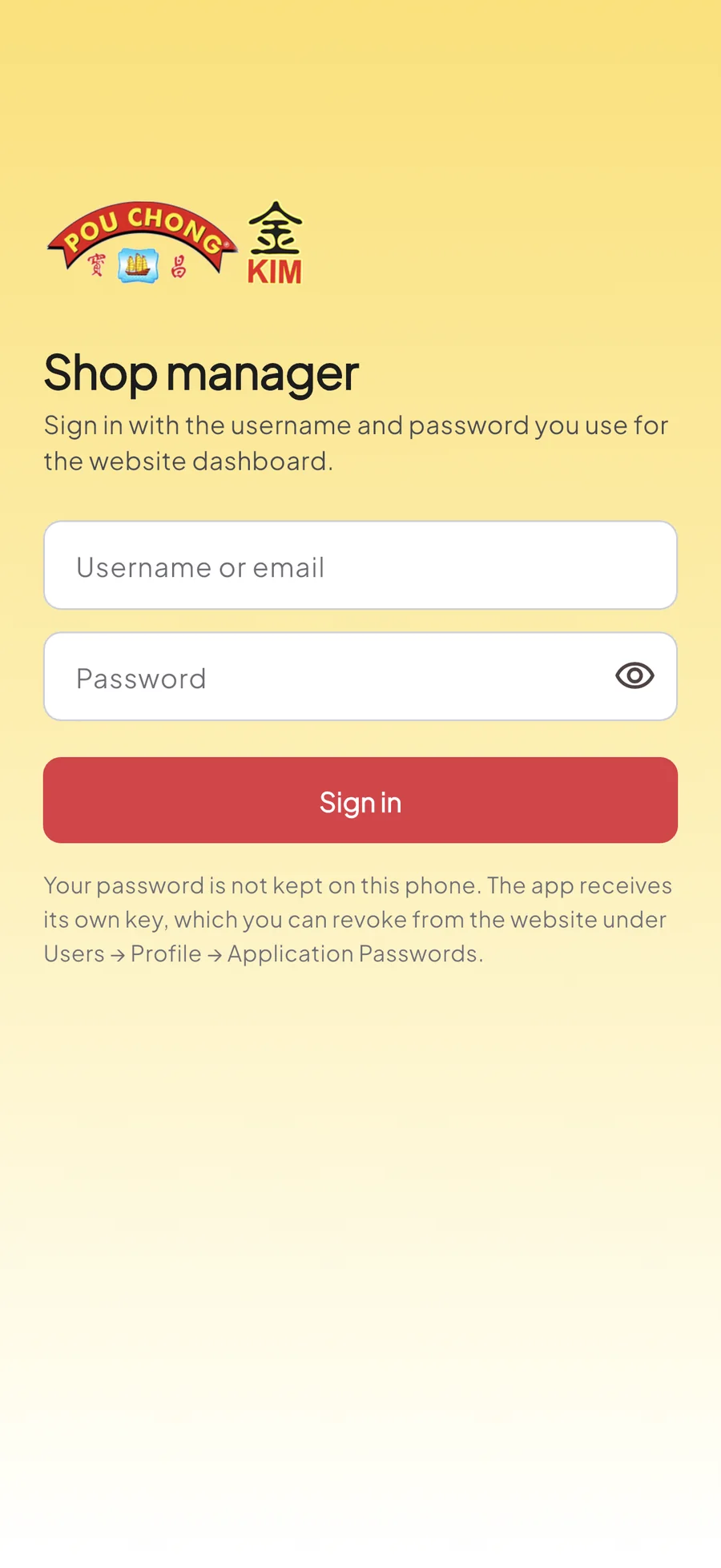
- Sign-in. The app swaps an email and password for a WordPress application password through a plugin endpoint and keeps only that password in the device keychain or keystore. Staff can revoke a phone from the user’s profile.
- One build, two sites. At start-up the app asks the main domain for its configuration and falls back to the staging address, so a single published build keeps working when the new site moves to the main domain.
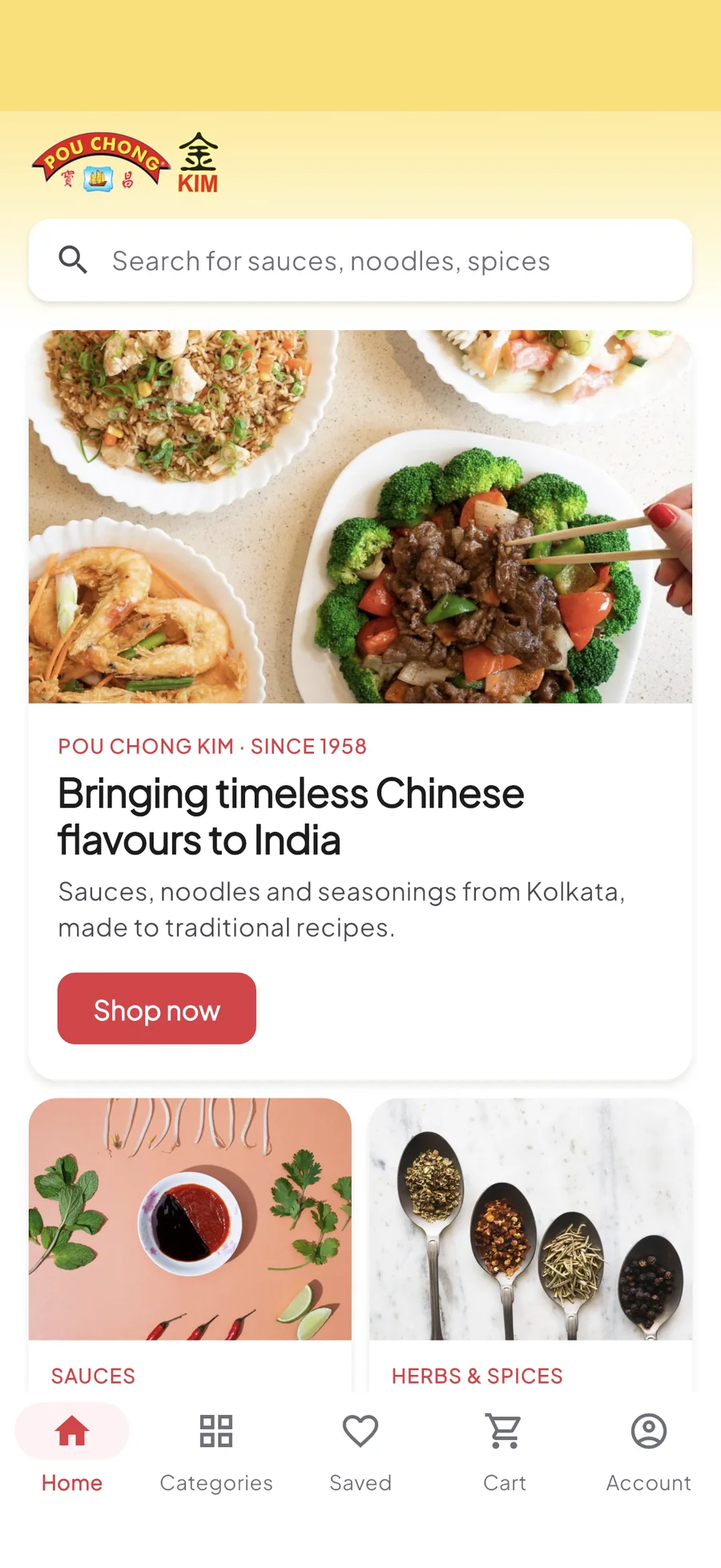
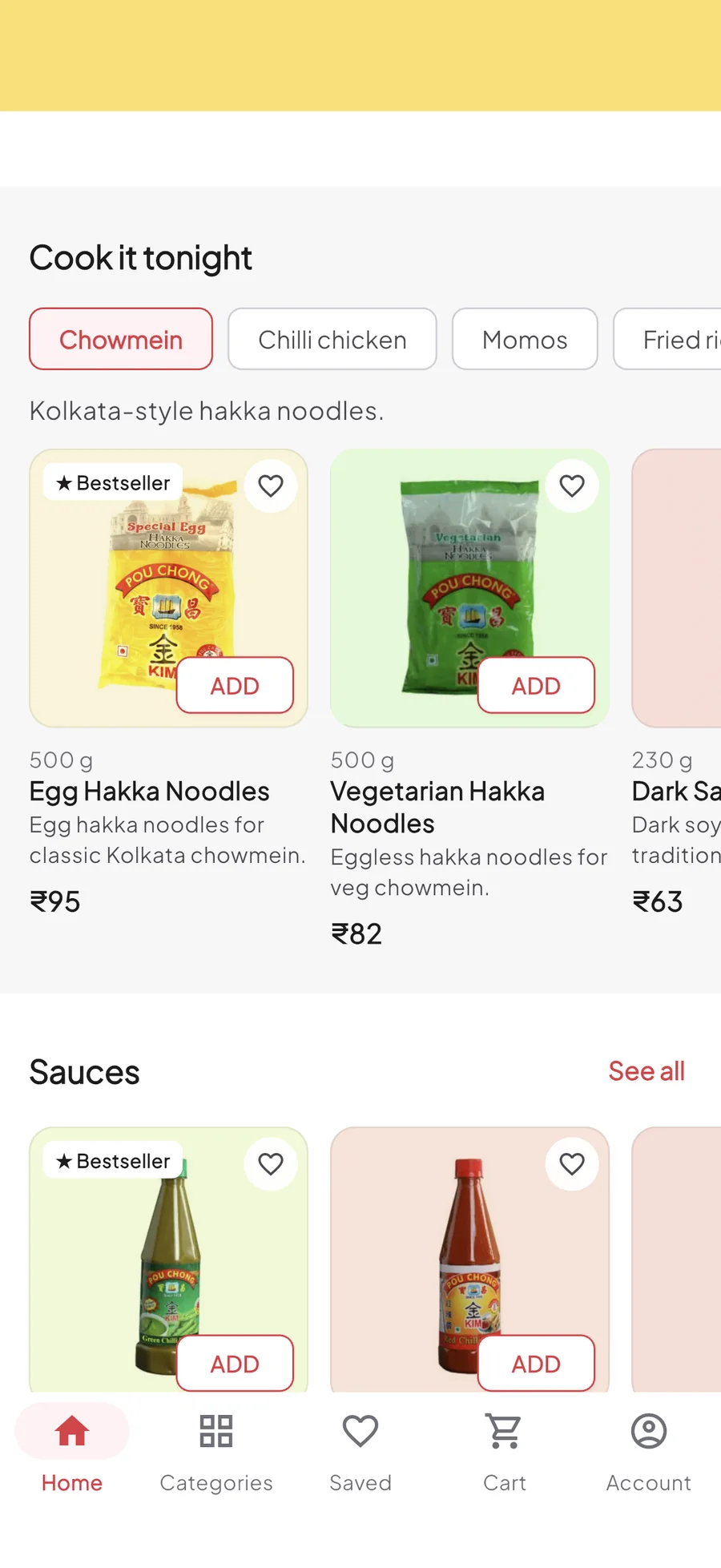
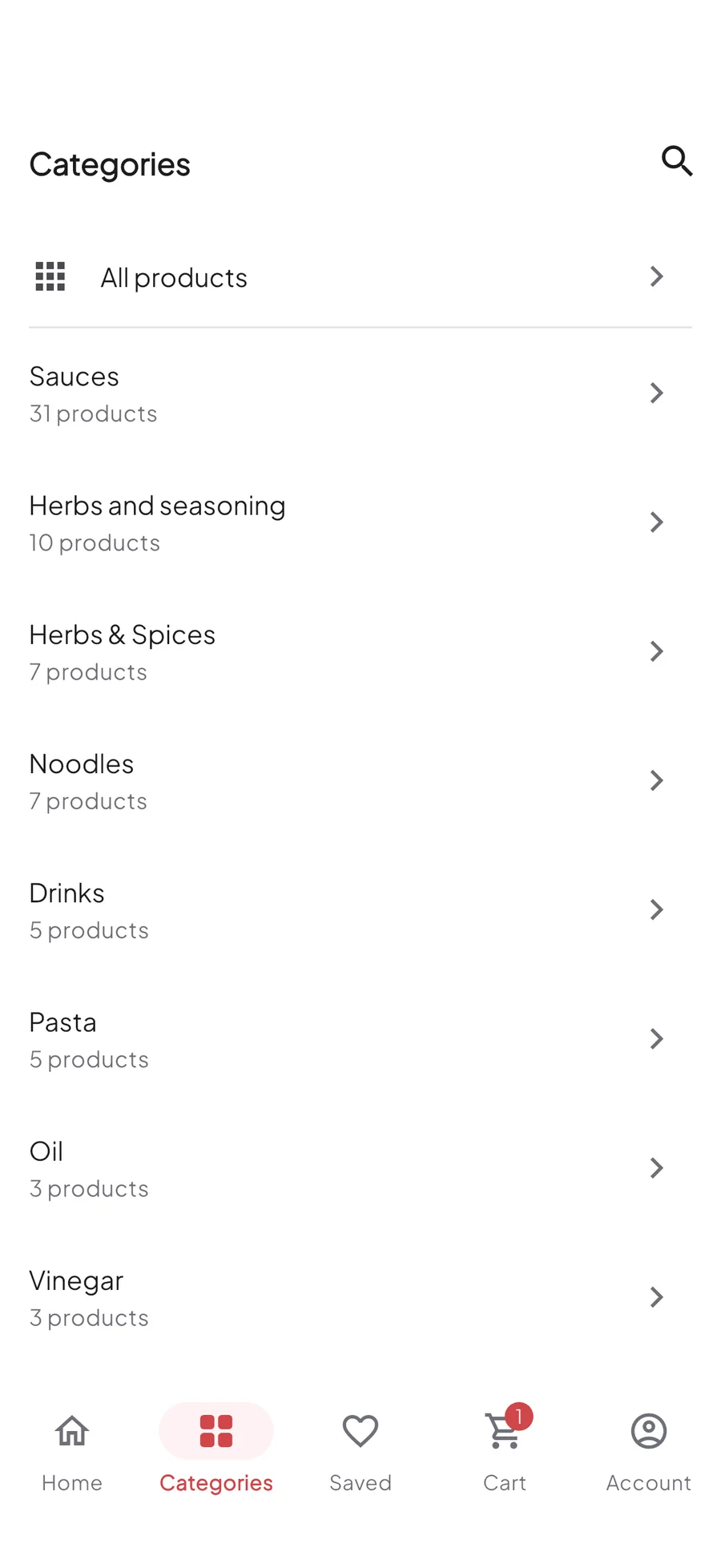
The manager app
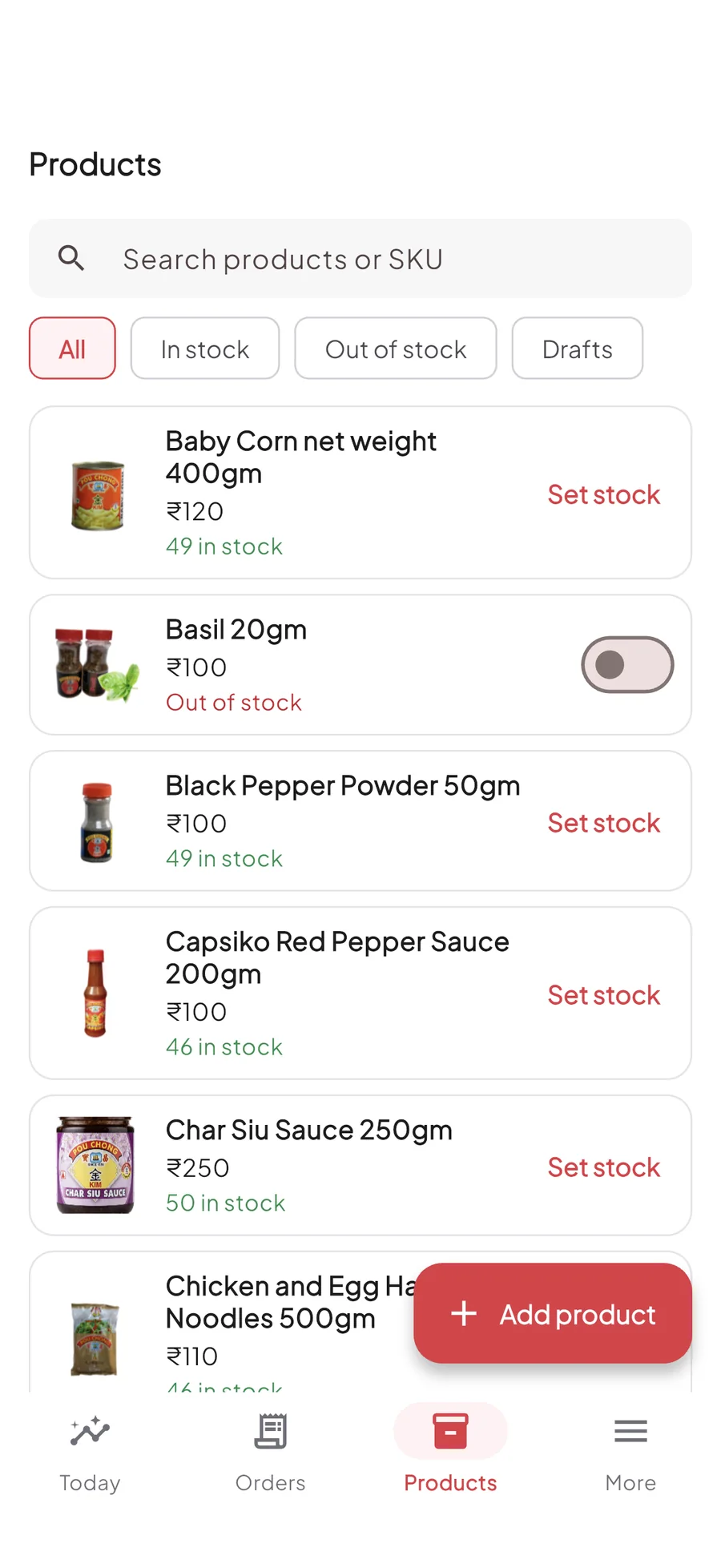
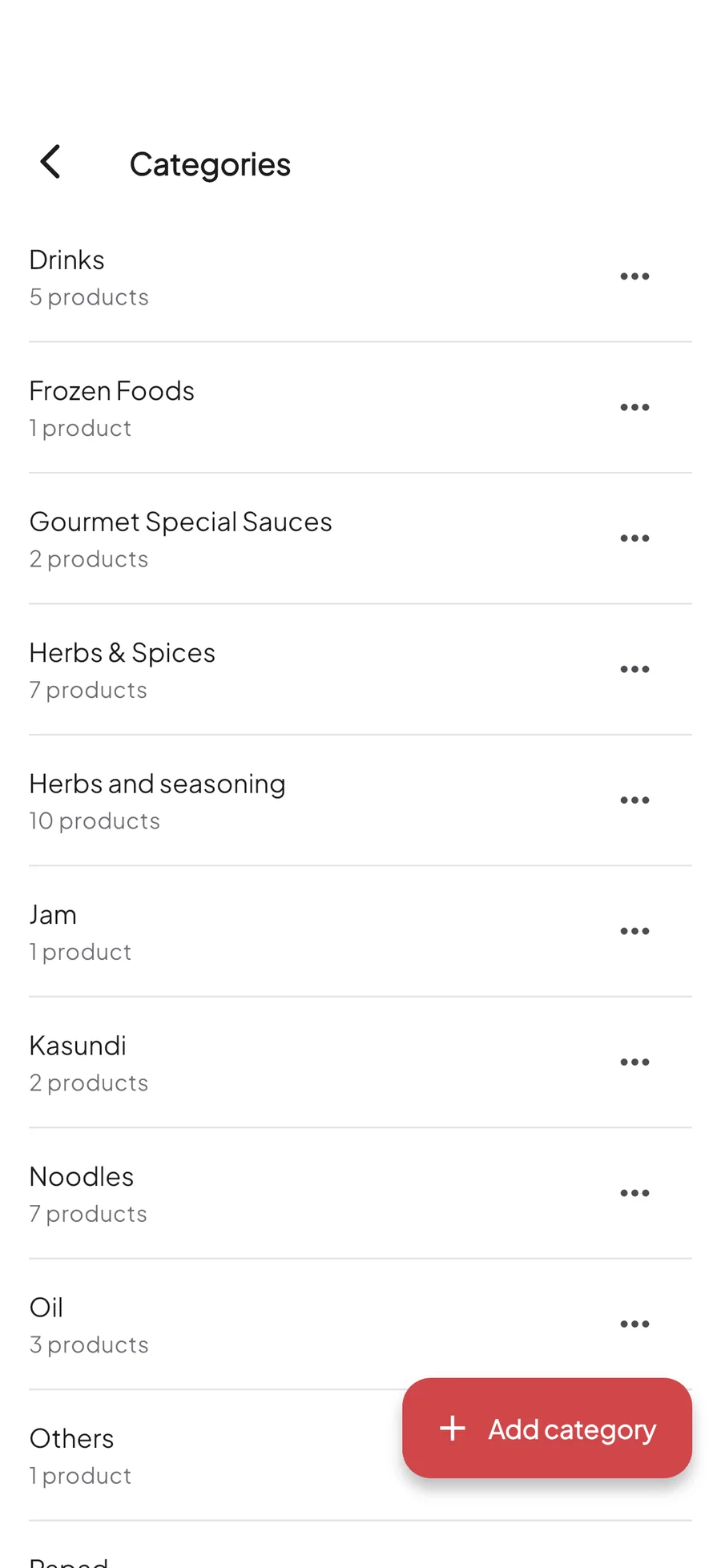
The second app is for shop staff. It uses the WooCommerce REST API and only accepts accounts that can manage the shop. From a phone they can work through orders, products and stock, categories, coupons and customers, mark stock in or out with a switch, change an order’s status, add courier details and print a shipping label.
Testing
Both apps have end-to-end tests that drive the real app on the iOS simulator against a copy of the site. The manager test creates its own products, categories and coupons, names them clearly as tests and removes them again. The customer test stops at the checkout page and never places an order.
Our Role at Pixelvise
Pixelvise handled the work end to end:
- Website design and a custom WooCommerce theme
- Catalogue structure for pack sizes, product facts, categories and redirects
- A WordPress plugin for the app API, wishlist, store locator and mail
- Two Flutter apps for iOS and Android with a shared kit, signed release builds and automated end-to-end tests